


Finding My Balance: How I Created Boundaries for Work and Life in a Hybrid World
- Himadri De
- Aug 10, 2025
- 4 min read

In today’s fast-paced digital landscape, the lines separating our professional lives from personal ones are rapidly fading. Many people are navigating hybrid or fully remote work settings, making the seamless transition from “work mode” to “home mode” increasingly challenging. I have often found myself grappling with the skew of work encroaching on my personal time. However, through my experiences, I've come to understand the vital significance of setting boundaries and crafting routines that honor both my productivity and mental wellness.
Recognizing the Imbalance
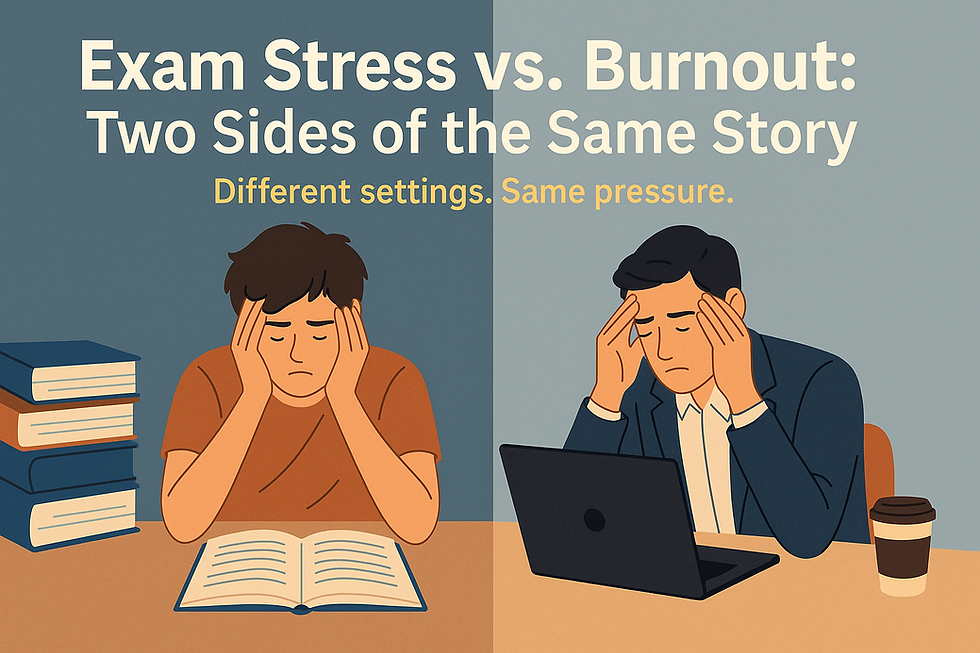
The turning point for me was recognizing how the boundaries between my work and personal life had blurred. I often found myself seated at the dining table, laptop open for far too many hours. The unsettling realization of being “always on” quickly became my norm, and I began to feel significant levels of anxiety as a result.
My evenings, once reserved for unwinding, transformed into periods dominated by work tasks like reviewing emails and prepping for the next day. Recognizing this was not just an inconvenience—it was a wake-up call. Without intervention, I risked burnout, which many studies suggest can lead to decreased productivity by up to 50%.
The Importance of Boundaries
I realized early on that to reclaim my personal time, setting clear boundaries was non-negotiable. These boundaries not only shield my mental health but also ramp up my focus during working hours.
By having a definitive end time at 5 PM and blocking out days for particular tasks, I created mental cues that help me transition into relaxation. For example, my productivity has increased by 20% since I began implementing these boundaries. Simple habits such as turning off work notifications at the end of the day also play a critical role in my overall performance.
Creating a Home Office Sanctuary
Once I opted for remote work, I quickly came to appreciate how my environment affects my focus. To counteract distractions, I dedicated a spare room to create a home office sanctuary.
Equipping this space with a comfortable chair, an aesthetically pleasing desk, and vibrant plants significantly improved my work experience. A study by the University of Exeter found that working in a green environment can enhance employee well-being by 47%. This transformation allowed me to mentally shift gears from “home” to “work,” providing a clear distinction that boosts my productivity.

Establishing a Routine
After setting up my workspace, I faced the next hurdle: developing a structured daily routine. I crafted a schedule that incorporated specific work hours, short breaks, and achievable mini-goals to keep me focused.
Each morning, I kick off my day with a stretch routine and a cup of coffee, allowing me to clear my head. During lunch, stepping away from my desk for a quick walk or enjoying my meal without distractions has significantly improved my mental clarity and overall well-being. By maintaining this structure, I have managed to reduce stress levels by an impressive 30%.
Disconnecting After Hours
One of the toughest challenges I encountered was truly disconnecting from work at the end of the day. To tackle this, I introduced a “digital sunset” ritual. Each day at 5 PM, I power down my computer, silence notifications, and physically distance myself from my workspace.
This habit serves as a mental signal that my workday is over. To further cement this boundary, I journal my thoughts each evening, noting the day's successful moments alongside tasks for the following day. This practice not only helps me unwind but also prevents work-related thoughts from lingering into my personal time.
Prioritizing Self-Care
Making time for self-care has become essential, especially in a hybrid work world. I prioritize activities that bring me joy and recharge my energy, whether that’s reading a book, participating in yoga classes, or engaging in hobbies like painting.
A study by the American Psychological Association indicates that even small acts of self-care can enhance mood and increase productivity by as much as 30%. Embracing these moments of joy has reaffirmed my belief that a well-rested mind breeds a more efficient worker.
Communicating Boundaries
Clear communication has proven invaluable in maintaining my boundaries. I’ve made it a priority to inform colleagues and family about my working hours and availability, aligning expectations with those around me.
I utilize calendar blocks to signal when I am focused and unavailable for casual conversations. This practice has helped to prevent interruptions, allowing me to remain in the zone while also informing family and friends that I'm not to be disturbed unless absolutely necessary.
The Journey Continues
The search for the ideal balance between work and life in a hybrid environment remains an evolving journey. Each day presents opportunities to adapt and refine my boundaries for optimal self-care and productivity.
Even as challenges arise, I feel increasingly in control of my time and mental health. By embracing these boundaries and routines, I can fully enjoy my personal life while being engaged and productive at work.
Embracing the Hybrid World
As we navigate the complex landscape of hybrid work, establishing boundaries is crucial for maintaining our mental health and efficiency. It's about taking ownership of our time and creating routines that ground us in both our professional and personal lives.
If you are facing struggles with work-life balance, I encourage you to examine your own boundaries. Experiment with different strategies until you discover what works for you.
After all, it isn’t just about working from home; it's about truly living within the limits we set for ourselves.
By sharing my experiences, I hope to motivate others to prioritize their well-being while finding balance in this hybrid environment. Remember, you are not alone in this—it’s a challenge many of us share. Together, we can cultivate a supportive community that champions balance, productivity, and mental health.


Comments